



BRIGHT
FUTURE
scholarship
FUND

Seed Grants for under-resourced high school students and their families to make their dreams of college a reality.
NEW LEADERS
PEER SUPPORT
Remove Barriers. Changing Trajectories. Dream Big.
Remove Barriers. Changing Trajectories. Dream Big.
President Trump issued a series of executive orders in his first week in office targeting diversity, equity, and inclusion programs that were meant to equalize opportunities for unfairly, and chronically disadvantaged groups of people.
For high school students experiencing poverty, housing instability, or first-generation college journeys, the doors to higher education can feel locked.
Many don't have a parent who went to college, or a high school counselor who isn’t overburdened with hundreds of students. Many lack money for application fees and expensive test prep and work jobs on top of being students. This isn’t equitable or fair.
To fill gaps that the system refuses to close.
In response to narrowing academic opportunities, widening economic disparity and escalating racism, Seeding Sovereignty launched the Bright Futures Scholarship Fund in 2025 to financially support deserving high school students and their families with dreams of college and determination to create successful careers.
We teamed up with incredible partners to bust down barriers to higher education and believe that inspiring youth people — regardless of income, housing status, or family history — deserve clear, supported pathways to their future success.
We do this by funding personalized mentorship, academic coaching, access to scholarships, and exposure to careers.
Cohorts
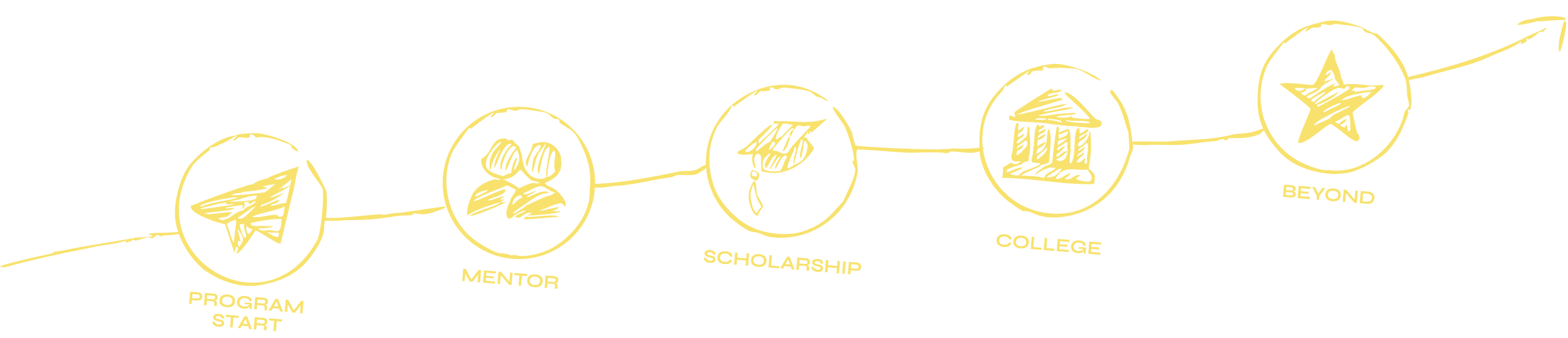
We meet high school students and families where they are to navigate the complicated college application process and secure a comprehensive college scholarship package to pay for it. 1 student dreaming of future success works with 1 dedicated advisor, building a unique college list, navigating a process that excludes low-income families by design, preparing applications, and applying to curated scholarships.
Cohort 1 - Complete.Aug – Nov 202519 Students. Dreams Realized.
August – November 2025. 19 $3,000 scholarships distributed to high school students across Indiana and Texas — including 6 housing-insecure youth.
Cohort 2 — UnderwayQ1 2026 – PresentBuilding on Momentum.
20 more students welcomed in Q1 2026. Applications, mentorship, scholarship navigation — all in motion.
Cohort 3 — IncomingJune 2026 →This is Just the Beginning.
Cohort 3 launches June 2026 as we scale this model to reach more students in more communities nationwide.
Cohort 1 results. Graduating seniors

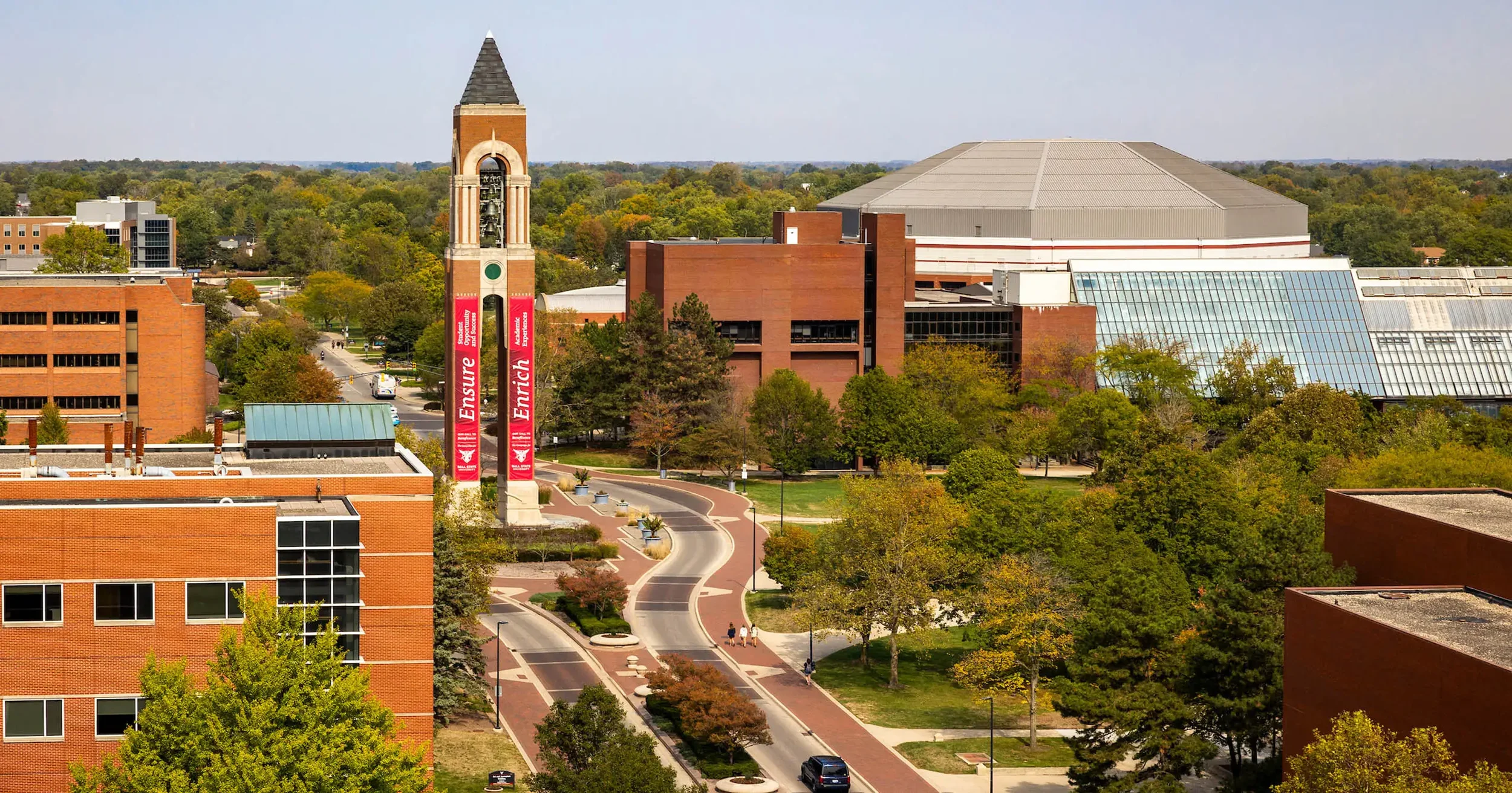
Cohort 1 included 6 housing-insecure students, the most vulnerable young people we serve. All 3 Cohort 1 seniors experiencing housing instability were accepted into college: Ball State University, Indiana University, and Ivy Tech College.
The 3 younger housing-insecure students are now participating in STEM, pre-med, and pre-college programs. This summer, one student secured a shadowing opportunity at a beauty school; another enrolled in a 2-month financial literacy program with hands-on banking experience.
When we invest in students, we don't just change outcomes. We change trajectories, families, and generations.





Student Voices
“Being a part of this program has made me go from 'what ifs' to 'I cans.' I'm a lot more confident about this upcoming August and excited for what my future holds.”
— Cohort 1 Student
“I felt very overwhelmed. I didn't really know what I was looking at or how to ask for help. After working with someone who helped me get into my dream school and boosted my confidence, I felt good knowing someone was on my side.”
— Cohort 1 Student
“What stood out was when I got into my dream school, my advisor gave me scholarships that were fast and easy. She understood I was busy with school and working two jobs.”
— Cohort 1 Student
“I was very nervous about the whole college planning process. Scholarships and the support made a huge difference. Starting early and not waiting until the last minute makes everything so much easier.”
— Cohort 1 Student

Redistributing resources since 2020.
The Education for Future Success Initiative builds on Seeding Sovereignty's six-year commitment to funding frontline communities in moments of crisis — from COVID rapid response and food security to hurricane relief and climate emergency funds.
$700K+
Redistributed to frontline leaders and community organizations since 2020.
$500K
COVID rapid response for Indigenous tribes and communities
$60K
Frontline Indigenous organizations
$40K
Frontline reproductive rights organizations
$20K
Blankets, heaters, and baby formula for Indigenous families facing extreme cold
$76K
Food distribution to Indigenous Elders and communities
$50K
Free anti-racist books distributed
$30K
Queer organizations providing essential care
$12K
Hurricane relief

Our Partners
Academic PartnerFunding PartnerElivia
Our funding partner whose investment makes it possible to redistribute scholarships and resources directly to students and families who need them most.
Class 101
Empowering students, serving families, and inspiring greatness. Class 101's Ronda provides the intentional, personalized 1:1 mentorship that is the backbone of this initiative — from college list to acceptance letter and beyond.
Every dollar changes a trajectory.
To fill the gaps in systemic inequities and remove barriers to higher education, Seeding Sovereignty launched this initiative for low-income and unhoused youths dreaming of brighter futures. Your contribution directly funds scholarships, mentorship, and the financial resources students need to make those dreams real.
Support a StudentFund a Scholarship Grant Directly
Each $3,000 grant covers a student's full program participation — mentorship, scholarship navigation, academic coaching, and financial advising for the full high school journey.
Other Ways to GiveSupport our free webinar series
Help us keep our college access webinars free and accessible, and fund youth District Captions so every student can participate fully.